In Part 1 of this series, we explored AI’s cultural blind spots and how tools can miss the mark when they’re built without the full spectrum of human experience in mind. In Part 2, we dug into the role of inclusive leadership and why human judgment is essential for steering AI toward equitable outcomes.
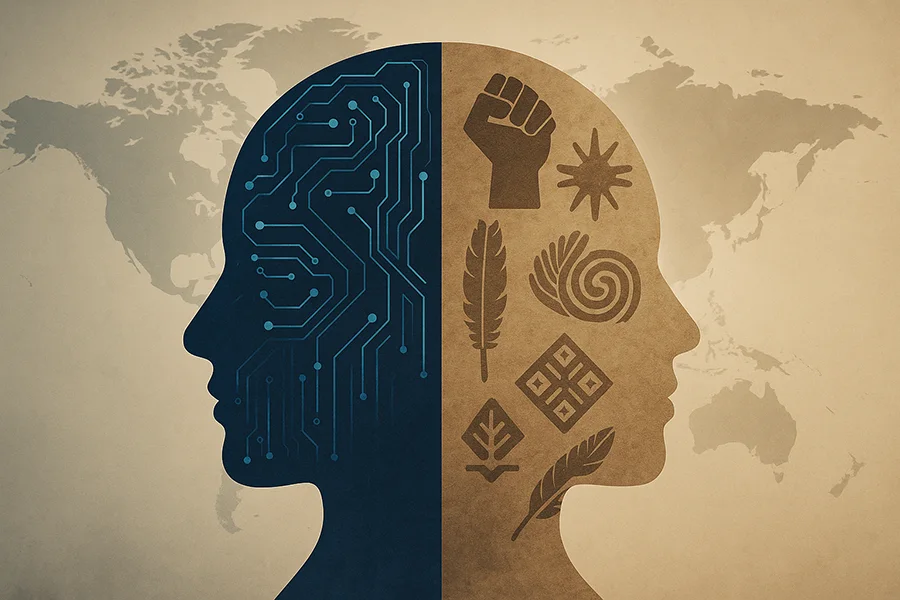
Together, these conversations point to a simple truth. AI reflects the choices, values, and perspectives of the people who build it. And when those perspectives aren’t diverse, the technology isn’t either. Left unchecked, AI can quietly reinforce inequities, undermine trust, and work against the very missions our organizations are trying to advance.
But here’s the good news: many organizations are already showing what’s possible when equity in AI comes first. In this post, we highlight real-world examples of organizations leading with equity and share lessons mission-driven leaders can apply right now.
Why Equity in AI Matters for Leaders
AI systems that overlook diversity or amplify bias can damage reputations, erode audience trust, and reinforce systemic inequities. For mission-driven leaders, this is both a technical challenge and a strategic one.
Equity in AI aligns with organizational purpose, ensuring that the tools we use serve all communities fairly, respect cultural contexts, and advance positive social outcomes. By prioritizing inclusive AI, leaders have an opportunity to shape technology that reflects their values and strengthens trust with the people they serve.
Real-World Examples of Equity in AI
Latimer.ai: Inclusive Training Data
Latimer.ai is a standout example of integrating equity from the ground up. Their large language model (LLM) is trained using input from underrepresented communities including folk tales and oral histories from around the world, ensuring that the AI understands diverse perspectives.
Through partnerships with universities and community organizations, Latimer.ai incorporates cultural nuance and lived experience into its datasets, showing that inclusive training data is foundational for equitable AI outputs.
Key takeaway: AI that reflects a wide spectrum of experiences produces more balanced results that better represent a diverse audience.
AI Now Institute: Research and Policy Advocacy
The AI Now Institute examines the social implications of AI, with a focus on bias, fairness, and equity. Through rigorous research, policy recommendations, and frameworks, they guide organizations in adopting responsible AI practices.
Their work underscores that responsible AI is a social challenge, and organizations need robust, research-driven insights to make ethical decisions that genuinely advance fairness.
Key takeaway: Evidence-based research is crucial for understanding where AI falls short and shaping policies that promote equity.
Inclusive AI Foundation: Governance & Best Practices
The Inclusive AI Foundation is a nonprofit organization that works to embed ethical, inclusive practices across AI development. Their approach emphasizes structured governance, evaluation frameworks, and community engagement to ensure AI systems serve all populations fairly.
They offer workshops, consulting, assessments, and road mapping for leaders looking to implement inclusive AI in their own organizations.
Key takeaway: Governance and stakeholder engagement are essential for embedding equity into AI design and deployment.
Five Key Lessons for Mission-Driven Leaders
- Audit your AI tools and outputs: Examine datasets and model outputs for underrepresentation and bias.
- Demand cultural filters or adjustable framing: Ensure AI tools allow context-aware outputs tailored to diverse audiences.
- Prioritize values-aware AI: Understand the priorities, values, and constraints of the communities you serve.
- Partner with underrepresented communities: Co-create datasets, evaluation metrics, or prompts to ensure authentic representation.
- Measure, iterate, communicate: Track outputs for bias and inclusivity; make equity part of your organizational standard.
These practices help leaders translate abstract principles into concrete actions that make AI more inclusive.
Closing thought
AI’s cultural blind spots are real, but equity is achievable. Organizations like Latimer.ai, AI Now Institute, and Inclusive AI Foundation demonstrate how inclusive AI is possible when intentionality, research, governance, and community engagement come together.
Mission-driven leaders can learn from these examples, apply these lessons, and take proactive steps to embed equity into AI initiatives. By doing so, you not only enhance your organization’s impact but also build trust, credibility, and lasting relationships with the communities you serve.
AI has the power to amplify good, but only if we lead with equity. Let’s make inclusive AI the standard, not the exception.